Shower Filter: Protect Your Hair and Skin from Chlorine Damage
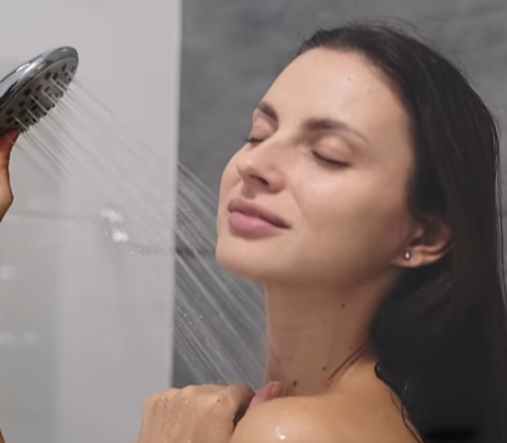
Every time I showered, I faced two frustrating problems: my hair became frizzy and tangled like dry straw after blow-drying, with split ends constantly appearing, and my skin felt dry and itchy, especially during fall and winter, leaving white flakes after scratching. No amount of body lotion could fully relieve it.
It wasn’t until a dermatologist mentioned that “chlorine in tap water might be the culprit” that I realized the hidden damage from daily exposure to chlorinated water. After installing a shower filter and using it consistently for three months, my hair became smooth and glossy, and the dry, itchy skin disappeared. Here, I’ll share how chlorine affects hair and skin and how a chlorine removal shower filter can solve these issues.
Common Problems Caused by Chlorinated Water
Before using a shower filter, I assumed frizzy hair and dry skin were just natural. After comparing my hair and skin before and after using a filter, it became clear that chlorine was the root cause.
1. Hair Damage
My hair was naturally soft, yet showers made it frizzy and difficult to comb, causing significant hair breakage. Split ends reappeared quickly despite using over ten different nourishing shampoos. The dermatologist explained that chlorine damages hair cuticles, causing moisture loss, frizz, breakage, and dull color, even affecting dyed hair.
2. Dry, Itchy Skin
After showers, my skin felt tight and itchy, especially on my arms and legs, sometimes leaving red scratch marks and peeling. During colder months, thick layers of body lotion were necessary to fall asleep comfortably. The dermatologist noted that chlorine damages the skin barrier, increasing water loss and triggering dryness and irritation, particularly for sensitive skin.
3. Sensitive, Red Scalp
Chlorinated water also affected my scalp, causing mild itching and occasional red bumps after washing. Reducing shampoo frequency worsened the problem until I used a chlorine removal shower filter, which gradually alleviated scalp sensitivity.
After installing a shower head filter, these issues were resolved. Hair became manageable even without conditioner, skin felt hydrated, and scalp redness disappeared. Filtering chlorine from tap water significantly improved the condition of hair and skin.
How Chlorine Damages Hair and Skin
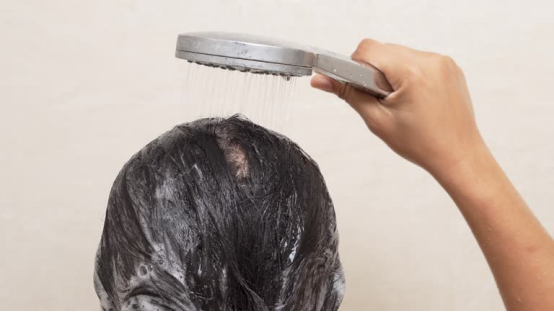
Chlorine is added to tap water for disinfection, but its chemical activity can harm hair and skin in multiple ways. High-quality shower filters mitigate these effects at the source while removing other impurities.
1. Major Effects of Chlorine
Damages hair cuticles: Chlorine opens hair cuticles, causing moisture and nutrient loss, resulting in dryness, frizz, split ends, breakage, and reduced elasticity. Long-term exposure can dull hair color and negatively affect dyeing.
Weakens skin barrier: Chlorine strips the skin of its natural protective layer, leading to dryness, itchiness, and redness. Sensitive individuals may experience aggravated eczema or dermatitis.
Accelerates skin aging: Chlorine generates free radicals that attack skin cells, promoting early fine lines, roughness, and dullness.
2. How Shower Filters Work
Adsorption and filtration: High-quality shower filters use activated carbon and KDF alloy to remove chlorine, odors, organic matter, and heavy metals like lead and mercury. Chlorine is chemically converted into harmless chloride ions.
Retains beneficial minerals: Unlike water purifiers, shower filters retain minerals like calcium and magnesium, preventing skin and hair from becoming drier.
pH adjustment: Some filters adjust water pH from alkaline to slightly acidic, reducing irritation to hair cuticles and the skin barrier.
3. Additional Benefits of Shower Filters
Versatile installation: Suitable for overhead or handheld showers, some filters fit existing showerheads without replacing the entire system.
Improved shower experience: Filtered water has less chlorine odor, feels softer, and avoids skin tightness.
Prolonged bathroom equipment life: Reduces corrosion and scale buildup on showerheads.
Protects family health: Benefits adults, children, the elderly, and even pets, reducing skin irritation and hair shedding.
Evidence of Effectiveness
1. Scientific Data
Water testing shows high-quality shower filters can remove over 90% of free chlorine and 60% of heavy metals. Testing at home with chlorine test strips confirmed a visible reduction in chlorine levels after filtration.
2. User Reviews
On Shower Filter Reviews, users reported:
Reduced hair shedding and smoother hair after three months.
Children’s skin is no longer itchy, and eczema has improved.
Easy installation in 5 minutes with noticeable chlorine reduction.
3. Professional Recommendations
Dermatologists and hairstylists recommend shower filters for sensitive or dry skin, eczema, and colored or chemically treated hair to protect cuticles and maintain hair health. Water treatment professionals note that inhaled chlorine during hot showers can exceed oral exposure, making filters a simple, effective solution.
Tips for Choosing and Using a Shower Filter
Selecting the Right Filter
Filtration material: Choose activated carbon + KDF alloy for longer-lasting chlorine removal. Avoid ceramic or single-mesh filters with limited effectiveness.
Compatibility: Select a filter type matching your showerhead—overhead, handheld, or integrated. Reliable options are available on this professional platform.
Replacement cycle: Most filters last 3–6 months based on daily 30-minute use. Replace cartridges as instructed to maintain performance.
Using Your Shower Filter
Regular replacement: Replace cartridges promptly when chlorine odor returns or skin irritation reappears.
Clean the showerhead before installation: Remove scale and debris to prevent clogging.
Flush after long inactivity: Run water 1–2 minutes after extended absence to avoid bacterial growth.
My shower filter has become a bathroom essential. My family notices the difference: my mother’s skin feels less tight, and my father’s itchy scalp is gone. Addressing chlorine exposure turns showering from damaging to nourishing. Have you experienced frizzy hair or itchy skin after showers? Do you suspect chlorine might be the cause? Share your experiences in the comments, and for reliable filters, visit removal shower head filters to find a model suitable for your shower setup.