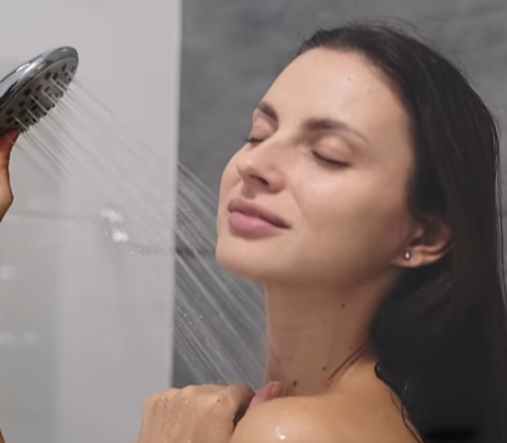
For seniors with sensitive skin, daily showers can hide “invisible” irritants—residual chlorine in tap water can damage the skin barrier, causing dryness, itching, and redness. During autumn and winter, symptoms worsen, sometimes leading to repeated scratching and skin injury. A chlorine shower filter can remove chlorine from water, leaving showers gentle and nourishing, protecting seniors’ skin from the source. In this guide, we’ll explore how chlorine affects elderly skin and how a shower filter adapts to their needs: Shop Chlorine Shower Filter.
Table of Contents
Why Tap Water Chlorine Irritates Senior Skin
As skin ages, natural defenses weaken—the barrier thins, oil decreases, and moisture retention drops. Residual chlorine exacerbates these issues, becoming a hidden threat for sensitive skin:
1. Chlorine Damages Skin Barrier, Causes Dryness and Itching
Breakdown of natural oils: Chlorine decomposes surface lipids, leaving skin tight and dry, especially on arms and legs.
Barrier damage: Prolonged exposure thickens and weakens the stratum corneum, making it more vulnerable to irritants like cold air or clothing friction. Many seniors report itching 1–2 hours after showering.
Comparison with healthy skin: Young skin tolerates chlorine better, but seniors’ tolerance is roughly 1/3 of youth. Even low levels (0.2–0.5 mg/L in tap water) cause noticeable irritation.
2. Chlorine Worsens Existing Skin Conditions
Inflammation: Chlorine aggravates eczema or dermatitis, prolonging recovery and causing repeated flare-ups.
Hidden allergies: Some seniors react with red spots or tingling, often mistaken for dryness.
Data insight: About 45% of people over 60 report post-shower discomfort, with 30% directly linked to chlorine exposure.
3. Chlorine Affects Scalp Health
Dry scalp: Strips oils, causing itching and flaking.
Hair damage: Opens hair cuticles, leading to dryness, breakage, and dullness. Colored hair suffers more.
Common misconception: Hair problems are often blamed on shampoo, but tap water chlorine is often the true culprit.
How a Shower Filter Protects Senior Skin
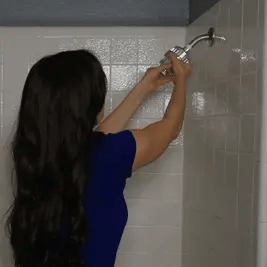
A quality shower filter doesn’t just remove impurities—it eliminates chlorine, optimizes water pH, and preserves beneficial minerals, making showers feel like gentle mineral water. Using this chlorine filter as an example, the benefits include:
1. Multi-Stage Filtration for Precise Chlorine Removal
Advanced filter media: Combines KDF55 alloy and high-density activated carbon, converting free chlorine to harmless ions and adsorbing residual chlorine and odor.
Effective removal: Output chlorine ≤0.01 mg/L, far below the national standard (≤0.5 mg/L).
Noticeable results: Eliminates chlorine smell and tight skin sensation, keeping skin hydrated post-shower.
Compared to basic filters, standard filters only remove sediment and rust, not chlorine; high-efficiency filters remove ≥95% chlorine.
2. Gentle Water Quality Nourishes Skin
Minerals retained: Beneficial calcium and magnesium remain, providing mild nourishment.
pH adjustment: Weakly acidic tap water (pH 6.0–6.5) is shifted to mild alkaline (pH 7.2–7.5), closer to natural skin pH, reducing irritation.
Feedback: Seniors notice reduced dryness, itching, and eczema flare-ups after 1–2 weeks.
3. Easy Installation and Long-Lasting Use
Tool-free installation: The universal G1/2 inch interface fits most showers; seniors can install it independently.
Long-life cartridge: 3–6 months of use per filter, with visual change indicators for easy replacement.
Safe materials: Food-grade, lead-free, withstands ≤60℃ water, safe for seniors, pregnant women, and children.
How Seniors Should Use a Shower Filter: 3 Key Tips
1. Installation: Avoid Leaks
Check connections: Remove old tape; the filter comes with its own seal.
Hand-tighten: Turn clockwise 5–6 times until snug. Optional thin silicone layer if worried about minor leaks.
Test: Run water at medium temperature to ensure no dripping.
2. Shower Use: Adjust Temperature and Flow
Water temperature: 37–40℃ recommended; avoid >42℃.
Flow mode: Use gentle rainfall; avoid high-pressure jets.
Duration: 10–15 minutes, reduced to 8–10 in cold seasons.
3. Maintenance: Clean and Replace Filter
Daily cleaning: Wipe exterior; rinse inlet monthly.
Filter replacement: When color changes from white to yellow-brown, or itching returns. Replacement takes 1 minute.
Extended absence: Shut off water to prevent stagnation; flush for 30 seconds on return.
Choosing the Right Shower Filter for Seniors
Key criteria: chlorine removal, ease of use, safe materials.
1. Clear Chlorine Removal Claims
Look for ≥95% removal, KDF55 + activated carbon. Avoid “concept” filters that only advertise soft water.
2. Easy Installation and Maintenance
Tool-free, G1/2-inch interface; twist-to-replace cartridge; lightweight (≤500 g). Avoid complex or screw-based designs.
3. Safe and Heat-Resistant Materials
Food-grade ABS + lead-free coating; supports hot water ≤60℃. Consider integrated handheld options for convenience.
Final Thoughts
For seniors, gentle, chlorine-free water is key to daily skin care. A high-quality shower filter like the 20-stage model above (link) offers precise chlorine removal, skin-nourishing water, and effortless operation. With the right filter, every shower becomes a soothing, protective experience, improving comfort and skin health from the first use.