Why “No Heavy Metal Leaching” is the Safety Standard for Pregnancy & Baby Shower Filters
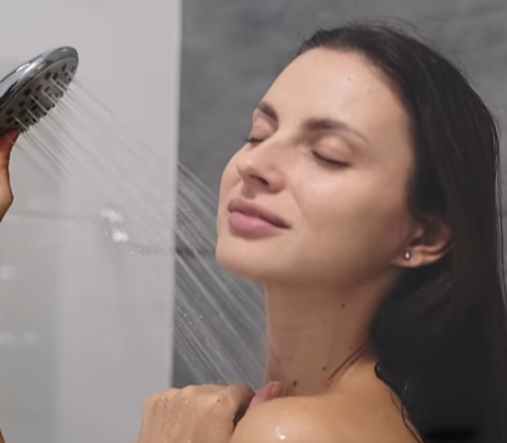
When preparing for a new baby, parents research everything from crib safety to organic baby food. Yet one critical aspect of daily care often goes overlooked: shower and bath water quality. Municipal water can contain trace heavy metals like lead, mercury, and cadmium—invisible contaminants that pose unique risks during pregnancy and infancy. While installing a shower filter seems like a logical solution, not all filters provide adequate protection. For families in these vulnerable stages, a shower filter must meet one non-negotiable standard: it must be certified for “no heavy metal leaching.”
This ensures the filter itself doesn’t become a contamination source while actively removing harmful substances from your water. Understanding this distinction is essential for creating a truly safe home environment, starting with choosing the right pregnancy-safe shower filter system.
Table of Contents
Understanding the Heightened Vulnerability During Pregnancy and Infancy
The physiological changes of pregnancy and the developmental immaturity of newborns create specific vulnerabilities that make heavy metal exposure particularly concerning.
Pregnancy: An Altered Biological State
During pregnancy, hormonal fluctuations can temporarily alter the skin’s natural barrier function, potentially increasing permeability. When combined with warm shower water that opens pores through vasodilation, this creates conditions where heavy metals may more readily enter the bloodstream. Lead exposure during pregnancy has been linked to developmental impacts on the fetal nervous system. Mercury can affect cognitive development, while cadmium may influence bone and kidney health. What might be a negligible exposure for a healthy adult can represent a significant risk during critical fetal development windows, making proper filtration through a reliable shower filter essential rather than optional.
Newborn Physiology: Underdeveloped Defenses
Infants enter the world with biological systems still maturing. A newborn’s skin is approximately 30% thinner than adult skin, with a less developed protective barrier. This immature skin structure provides less defense against environmental contaminants. Simultaneously, their liver and kidneys—responsible for processing and eliminating toxins—are not fully operational, potentially leading to bioaccumulation of heavy metals over time. Regular bathing with unfiltered water containing even low levels of heavy metals can create cumulative exposure that standard adult physiology handles more efficiently.
The Dual Protection of a Properly Certified Shower Filter
A truly protective shower filter for maternal and infant use must fulfill two distinct but equally important functions that go beyond basic filtration claims.
Material Safety: Ensuring the Filter Doesn’t Become the Problem
The most critical function is inherent safety. Many shower filters utilize various plastics, composites, and filtration media that may contain trace heavy metals or chemical additives. Under constant exposure to warm, often chlorinated water, these materials can gradually degrade or leach contaminants into the filtered water. A shower filter certified for “no heavy metal leaching” undergoes rigorous third-party testing to verify that all components—from the housing and internal seals to the filtration media itself—do not release measurable amounts of regulated heavy metals throughout the product’s operational lifespan. This certification ensures your protective device doesn’t inadvertently introduce the very contaminants you’re trying to avoid.
Effective Contaminant Reduction: Addressing What’s Already in Your Water
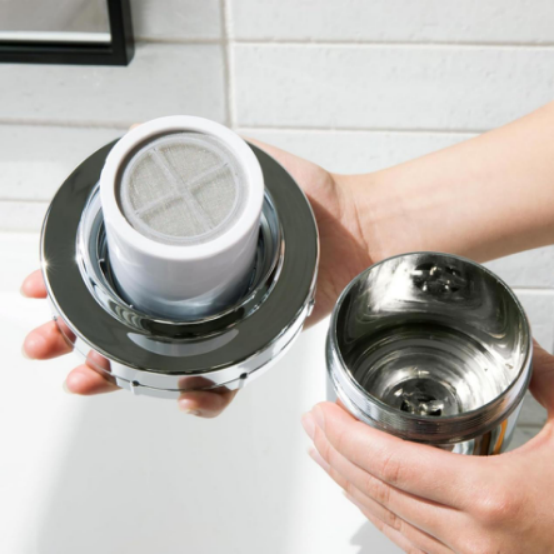
Beyond material safety, an appropriate shower filter must effectively reduce the heavy metals already present in your water supply. Aging municipal infrastructure, particularly in older neighborhoods, can introduce lead particles from pipes and solder. A high-performance shower filter designed for this purpose typically employs a multi-stage approach, combining KDF media—which transforms soluble heavy metals into insoluble forms—with activated carbon for adsorption. This technology can reduce over 95% of common heavy metals while also addressing chlorine, chloramines, and sediment that can irritate sensitive skin.
The right shower filter provides comprehensive protection rather than partial solutions. For those seeking verified performance, our review of laboratory-tested heavy metal removal shower filters details models with documented efficacy.
How to Verify Your Shower Filter’s Safety Claims
Navigating the marketplace requires moving beyond marketing claims to verifiable standards. Here’s how to evaluate potential shower filter options for your family’s needs.
Third-Party Certification as Your Guide
The most reliable indicator of a shower filter’s safety is independent, third-party certification from recognized organizations. Look specifically for certifications related to Material Safety (such as NSF/ANSI 61) for drinking water system components, which includes strict limits on heavy metal leaching. These certifications require rigorous laboratory testing and ongoing manufacturing audits. Always verify claims by checking the certifying organization’s online database or requesting official documentation rather than relying on vague “tested to” statements.
Material Transparency Matters
Beyond certifications, examine what materials the manufacturer discloses. Quality shower filters designed for sensitive populations typically use food-grade or medical-grade plastics for housings and clearly identified filtration media. The design should facilitate easy installation on standard shower arms and include clear indicators for when cartridge replacement is needed. For families using both shower and bath, consider whether the filter system offers adapter options or whether a dedicated shower filter for infant bathing might be more practical. Our comparison of medical-grade material shower filters can help identify products with appropriate material safety.
Practical Implementation for Maximum Protection
Implementing a certified shower filter is most effective when integrated thoughtfully into your family’s care routines.
Proper Installation and Maintenance
Install your shower filter according to manufacturer instructions, typically by unscrewing the existing showerhead and securely attaching the filter unit. For infant care, many families choose to install a dedicated shower filter directly on the bathtub faucet using an appropriate adapter. Regardless of installation point, adhere strictly to the manufacturer’s replacement schedule—usually every 6 months or after filtering approximately 10,000 gallons—as exhausted filtration media becomes less effective. Many quality shower filters include visual indicators or replacement reminders to simplify this maintenance.
Complementary Safe Bathing Practices
Your shower filter works most effectively as part of a comprehensive approach to safe bathing. Maintain water temperature between 37-40°C (98-104°F) using a reliable bath thermometer, as excessively hot water can further compromise skin barrier function. Limit bath time to appropriate durations to minimize prolonged exposure while still achieving adequate cleansing. After installing a new filter cartridge, run water through the system for several minutes before first use to flush any manufacturing residues. Consider testing your home’s water periodically through certified laboratories to understand your specific contaminant profile.
Common Misconceptions About Shower Filter Safety
“Chlorine removal equals complete safety.”
While chlorine removal benefits skin and respiratory health, it doesn’t address heavy metal contamination. A comprehensive shower filter must handle multiple contaminant types, not just those with immediate sensory effects.
“Higher price guarantees better protection.”
Safety is determined by design and verification, not price. Some affordable shower filters meet rigorous standards, while some expensive ones may lack crucial certifications. Always prioritize verifiable safety data over price point assumptions.
“Newborns don’t need frequent bathing, so filtration matters less.”
While bathing frequency varies, water quality remains paramount whenever bathing occurs. Implementing protection through a properly certified shower filter addresses the exposure that does happen rather than attempting to eliminate necessary hygiene practices.
Conclusion: Building Your Family’s Water Safety Foundation
Protecting maternal and infant health involves proactively addressing known environmental risks. Heavy metals in shower water represent a preventable exposure point that a properly certified shower filter can effectively manage. By selecting a filter verified for “no heavy metal leaching,” you ensure the device itself contributes to safety rather than compromising it. This standard, combined with effective contaminant reduction capabilities, creates a foundation for truly protected bathing experiences throughout pregnancy and infancy.
Making informed choices about water filtration demonstrates the same thoughtful care applied to other aspects of family preparation. The right shower filter provides peace of mind, knowing that daily bathing rituals support rather than challenge your family’s wellbeing during these precious, formative stages. For those ready to implement this protection, begin your research with our comprehensive guide to independently certified shower filters for family safety.