Strategic Procurement: Balancing Cost & Health with Shower Filters for Senior Living

Centralized procurement in U.S. retirement communities must satisfy two critical goals: managing operational costs and fulfilling the profound health needs of residents. Improving shower water quality is paramount, directly affecting elderly skin, hair health, and overall comfort. A professional shower filter—with its efficient filtration, cost-effectiveness, and low-maintenance design—becomes a strategic procurement choice. This guide breaks down how to achieve a true “health vs. cost” balance through procurement logic, selection criteria, and budget control. For a model that exemplifies this balance, see this high-efficiency, bulk-purchase-friendly shower filter option.
Table of Contents
Core Community Needs: Health is Non-Negotiable, Budget is Critical
Residents in senior living often have weakened skin barriers, drier hair, and heightened sensitivities, making water quality a direct health concern. Simultaneously, operations must control long-term costs, balancing upfront purchase price with ongoing maintenance.
- The Health Imperative: Chlorine, heavy metals, and hard water minerals can exacerbate skin dryness, itching, and allergies in older adults. Chlorine vapors may also irritate sensitive respiratory systems. Therefore, a chosen shower filter must effectively remove these contaminants while softening water to prevent mineral buildup.
- The Budget Reality: With potentially hundreds of units, the per-unit purchase price must be reasonable. The filter’s replacement cycle and cost, plus installation complexity, directly impact long-term operational expenses and labor.
Selection Criteria for Bulk Purchase
1. Filtration Efficacy: Targeting Senior Health
Prioritize multi-stage shower filters. Key metrics should include:
- >99% Chlorine Removal: To address skin and respiratory irritation.
- Heavy Metal Reduction: For lead, mercury, and arsenic.
- Hard Water Softening: To reduce scale and mineral deposits that dry skin.
Some advanced filters include vitamin C or mineral balls that add nourishing elements back into the water, specifically beneficial for delicate skin and hair.
2. Cost-Effectiveness: Total Cost of Ownership
- Unit Price: Target the $20-$30 range per filter for bulk purchases. This offers proven efficacy without straining budgets, often representing a 30-40% saving versus retail.
- Maintenance Cost: Opt for filters with a 6-12 month cartridge life under typical daily use. Replacement cartridges should cost $10-$15 and be user-installable by residents or staff in minutes, eliminating professional service fees.
3. Practicality for Community Use
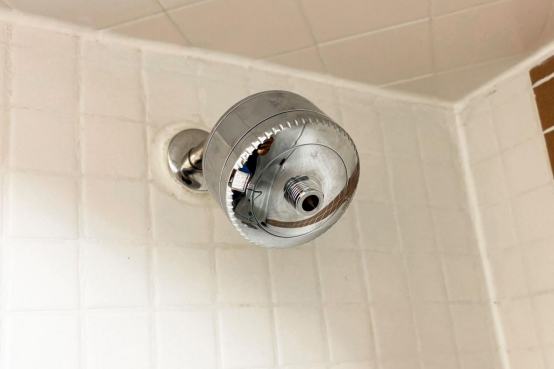
- Tool-Free Installation: Choose models that screw directly between the shower arm and head. A 5-minute, no-plumber installation per unit slashes deployment labor costs.
- Universal Compatibility: Ensure a standard G1/2 connection fits most existing shower fixtures, preventing costly hardware replacements.
- Durability: Housing should be ABS corrosion-resistant plastic to withstand constant use and humid environments, minimizing replacement due to damage.
4. Compliance & Safety
Any shower filter purchased must carry relevant NSF/ANSI certifications (e.g., Standard 42 for chlorine reduction). This verifies material safety, performance claims, and protects the community from liability.
Implementation Strategy: The Balance in Action
1. Leverage Bulk Buying Power
Negotiate pricing through volume commitments or multi-community consortium buying. Always test free samples first to verify performance and fit before a full order.
2. Phased Roll-Out
For large communities or limited initial budgets, install filters in phases. Prioritize units for residents with documented skin or respiratory conditions, then expand. This addresses urgent health needs while smoothing cash flow.
3. Streamline Maintenance
- Automated Reminders: Implement a system to alert residents or staff 30 days before cartridge replacement is due.
- Bulk Cartridge Purchase: Buy replacement cartridges in bulk alongside the initial filter order to secure discounts and ensure inventory, reducing per-unit logistics cost.
4. Frame as a Value-Add
Market “whole-community healthy water filtration” as a competitive amenity. This can enhance marketing, support premium pricing, and improve resident satisfaction—creating a return on the health investment.
Risk Mitigation for Procurement
- Avoid False Economy: Steer clear of ultra-cheap filters (<$15). They often use poor media, have short lifespans (3-4 months), and offer unverified performance, leading to higher long-term costs and resident complaints.
- Verify Compatibility: Collect data on existing showerhead connections beforehand. Confirm fit with the supplier and request adapters if needed.
- Secure Supplier Terms: Clarify warranties, return policies for defective units, and guaranteed cartridge supply timelines to prevent operational disruptions.
Conclusion
The strategic procurement of shower filters for retirement communities hinges on a principle of health-first, value-driven practicality. By selecting a high-efficacy, cost-conscious model and implementing smart bulk-purchasing and maintenance strategies, communities can deliver a tangible health benefit to residents while maintaining fiscal responsibility. This investment directly contributes to resident well-being, operational efficiency, and the community’s overall appeal.
Explore certified, bulk-purchase optimized shower filters for your community’s needs.