Improve Hair Health with a Shower Water Filter: Reduce Breakage and Hydrate Hair
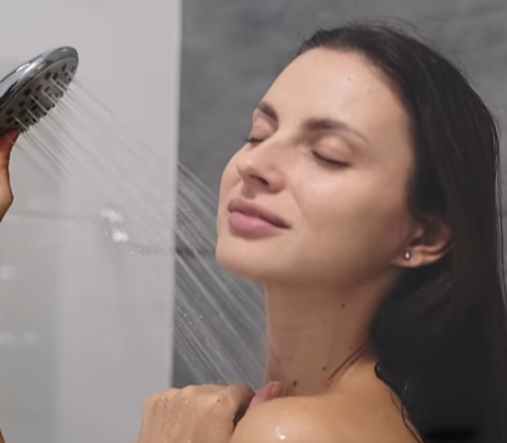
Hair dryness, breakage, and frizz are often mistakenly attributed solely to the choice of shampoos or hair treatments. In reality, water quality plays a crucial role in hair health. Hard water and chlorine present in typical municipal water supplies can weaken hair strands, make them brittle, and accelerate color fading for dyed hair. Installing a high-quality shower water filter can restore hair softness, reduce breakage, and maintain scalp health, even without expensive hair treatments.
This article explores how water quality affects hair, the benefits of shower filters, practical installation tips, and guidance for selecting the right product to protect and revitalize hair.
How Poor Water Quality Damages Hair
Chlorine: Drying and damaging hair cuticles
Chlorine is commonly used to disinfect municipal water supplies. While effective for sanitation, it acts as an oxidizing agent on hair, damaging the cuticle—the protective outer layer of each strand. Damaged cuticles cause water loss, frizz, and increased breakage. Hair washed in chlorinated water often feels rough or “straw-like,” with tangles forming easily.
Research by the American Academy of Dermatology indicates that prolonged exposure to chlorinated water can increase hair moisture loss by up to 30% and raise breakage risk by 25%. For chemically treated or colored hair, chlorine also accelerates color fading and dullness.
Hard Water Minerals: Causing brittleness and split ends
Hard water contains high levels of calcium and magnesium ions. These minerals react with shampoo residues, forming deposits that coat hair strands. The resulting film makes hair stiff and rough to the touch, leading to tangles, breakage, and split ends. Hard water with levels above 120 mg/L can significantly reduce the effectiveness of hair care products, leaving hair feeling dry and unmanageable despite intensive treatments.
Hidden Effects on the Scalp
Poor water quality not only impacts hair strands but also affects scalp health. Chlorine can dry out the scalp, causing itchiness and irritation. Hard water deposits may clog hair follicles, potentially leading to hair thinning. Maintaining scalp hydration and cleanliness is essential for strong, healthy hair growth.
Core Benefits of a Shower Water Filter
A shower water filter improves water quality by removing chlorine and reducing mineral hardness. This protects hair and scalp from long-term damage while enhancing the effectiveness of hair care routines.
1. Removes chlorine and impurities
High-quality shower filters use activated carbon and KDF (Kinetic Degradation Fluxion) media to reduce chlorine levels by over 90% and filter out sediment, rust, and other impurities. Filtered water preserves the integrity of hair cuticles, leaving strands smoother and less prone to tangling.
Water tests often reveal visible differences: untreated tap water may show yellowing with chlorine test reagents, while filtered water remains clear, indicating chlorine removal.
2. Softens hard water
Filters with ion-exchange resins can reduce calcium and magnesium levels, lowering water hardness. This prevents mineral buildup on hair, improving softness and manageability. Hair washed in softened water feels smoother, detangles easily, and exhibits less breakage and fewer split ends.
3. Promotes scalp health
Filtered water reduces scalp dryness and irritation. Without chlorine and heavy mineral deposits, the scalp maintains natural moisture, follicle health improves, and hair roots are strengthened. Reduced scalp inflammation and itchiness contribute to overall hair resilience.
Recommended Product: Shower Water Filter for Hair Health — provides chlorine removal, hard water softening, and easy installation.
Practical Installation for Any Home
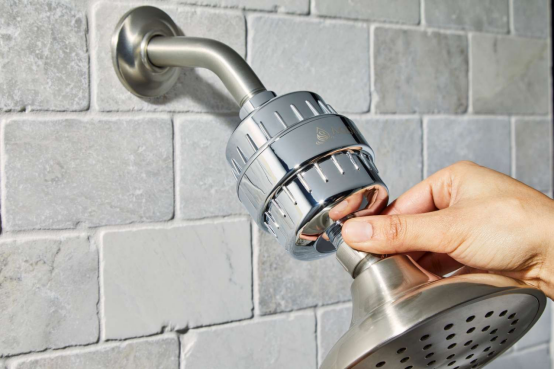
Modern shower water filters are designed for ease of installation without tools or professional assistance. Most filters are compatible with standard US shower fittings, including handheld and overhead designs.
Step 1: Remove the existing showerhead and clean the connection
Unscrew the showerhead from the hose or pipe and wipe the threads clean to remove mineral buildup. This ensures a secure, leak-free installation.
Step 2: Attach the filter
Align the filter inlet with the water supply and screw it in place. Connect the showerhead to the filter outlet. Hand-tightening is sufficient for a stable setup.
Step 3: Test for leaks
Turn on the shower and check water flow. If minor leaks occur, slightly adjust the fittings. Once installed, filtered water will provide immediate improvements in hair texture and scalp comfort.
Selecting the Right Shower Water Filter
Not all filters provide comprehensive hair protection. Consider these key criteria:
1. Filtration media
A combination of activated carbon and KDF is essential for effective chlorine removal. Avoid filters with only basic sediment screens, as they do not address chemical contaminants that damage hair.
2. Hard water treatment
Ion-exchange resins are necessary to reduce calcium and magnesium ions. This ensures hair remains soft and manageable, even in areas with very hard water.
3. Filter lifespan and replaceable cartridges
Choose filters with replaceable cartridges lasting at least 6 months. This ensures continued performance and is more economical and environmentally friendly than disposable units.
Additional Tips for Hair Health
Pre-rinse and post-rinse techniques: Using filtered water at the beginning and end of showers minimizes chlorine exposure and ensures optimal hydration.
Complementary hair care products: Even basic shampoos and conditioners perform better with filtered water, enhancing shine and smoothness.
Regular filter maintenance: Replace cartridges on schedule to maintain water quality and effectiveness.
Summary
Hair health is directly influenced by water quality. Chlorine and hard water minerals can damage strands, cause breakage, and irritate the scalp, often making expensive treatments less effective. Installing a shower water filter addresses these issues at the source, reducing hair dryness and breakage, promoting scalp health, and enhancing the results of hair care routines.
For those experiencing frizz, tangles, or breakage, improving water quality is a simple yet impactful step toward healthier, smoother hair. A well-chosen shower filter can make hair care routines more effective and hair easier to manage, transforming daily showers into a restorative experience.
Product Link: Shower Water Filter for Hair Health