Upgrade Your Shower: Why a Handheld Shower Filter Makes a Difference

Handheld showers are a popular choice for modern homes due to their flexibility and convenience. However, if your tap water contains chlorine, limescale, or other impurities, long-term use can dry out skin, make hair frizzy, and even trigger sensitivities. A shower filter designed for handheld models offers a simple solution—no plumbing modifications are needed, and installation takes just a few minutes. With precise filtration, you can enjoy both the mobility of a handheld shower and the benefits of cleaner water. This guide explores the risks of poor water quality, explains the advantages of handheld-compatible shower filters, and provides buying and maintenance tips.
Table of Contents
Why Poor Shower Water Quality Matters
1. Skin Sensitivity and Dryness
Tap water often contains residual chlorine, rust, and sediments. Heated water accelerates chlorine evaporation, which can penetrate pores and strip natural oils from the skin. This leads to dryness, itchiness, and redness, especially for sensitive skin or children. Chronic exposure to chlorine-rich water can exacerbate eczema or dermatitis. Using a shower filter can significantly reduce these risks, protecting skin health.
2. Frizzy, Brittle Hair
Hard water minerals like calcium and magnesium, combined with chlorine, can coat hair strands, opening cuticles and causing frizz, tangling, and breakage. For color-treated hair, chlorine can accelerate fading. Mineral deposits at the roots may clog follicles, impacting scalp health and long-term hair strength. A quality shower filter helps remove chlorine and minerals, keeping hair smoother and healthier.
3. Clogged Handheld Showerheads
Handheld showerheads typically have small nozzles (0.02–0.04 inches / 0.5–1 mm). Sediments and rust can block these holes, resulting in uneven spray patterns or splashing, reducing the flexibility and comfort of handheld showers. Prolonged buildup may harbor bacteria, increasing infection risk. Installing a shower filter ensures cleaner water and prevents nozzle clogging.
Advantages of a Handheld-Compatible Shower Filter
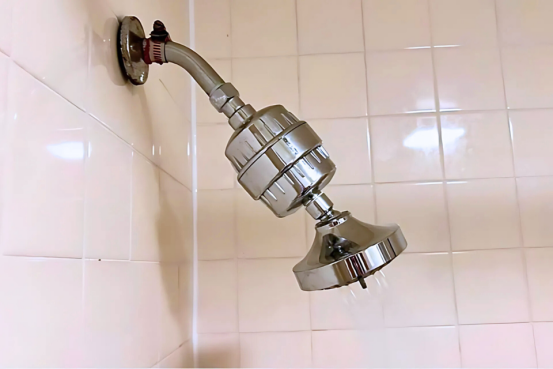
Handheld shower filters are optimized for filtration, installation convenience, and compatibility. They effectively address household water issues without the complexity of whole-house or fixed-mount systems.
1. Targeted Filtration
High-quality handheld filters use materials like KDF55, activated carbon, and vitamin C to remove chlorine, absorb odors, and neutralize residual chlorine, protecting skin and hair. Some filters incorporate ion exchange resins to reduce limescale, preventing frizz and nozzle clogging. Typical filter pore sizes (5–10 μm) remove visible sediments while maintaining comfortable water flow (1.6–2.1 gallons/min), avoiding diminished shower pressure. Choosing the right shower filter guarantees optimal water quality for everyday use.
2. Easy Installation
Most handheld shower filters feature screw-on or snap-on designs, installable without professional tools in three steps: remove the old showerhead, attach the filter to the hose or mount, then reconnect the showerhead. These filters require no plumbing modifications, making them ideal for renters or beginners.
3. Broad Compatibility
Handheld filters typically fit the universal G1/2 threaded interface, compatible with plastic, stainless steel, or silicone showerheads. Some brands provide adapters for non-standard sizes (e.g., G3/4), covering over 90% of handheld models. The compact design (3–5 inches long, 1.5–2.5 inches in diameter) ensures the filter does not compromise grip or maneuverability. Using a shower filter does not reduce the handheld shower’s flexibility or comfort.
Buying Guide: Choosing the Right Handheld Shower Filter
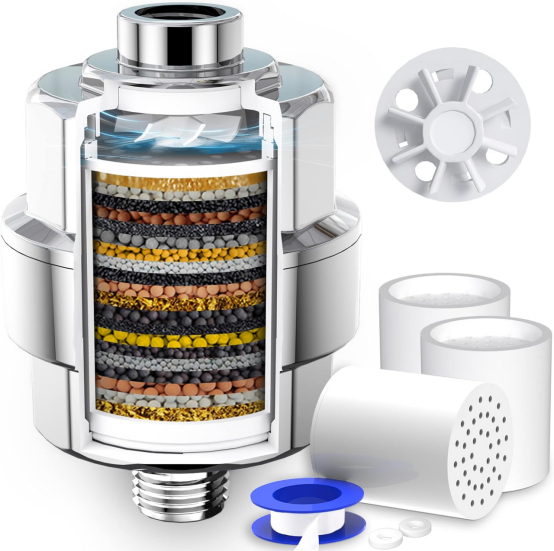
Filter Material: Prioritize combinations that remove chlorine and prevent limescale.
High-chlorine water: KDF55 + activated carbon.
Hard water: KDF55 + ion exchange resin.
Sensitive skin/children: KDF55 + vitamin C.
Avoid cheap sponge-only filters—they do not remove chlorine or reduce limescale effectively.
Installation Type: Screw-on types offer secure connections; snap-on types are faster but less universal. Check for food-grade silicone gaskets to prevent leaks.
Replacement Cost: Focus on filter lifespan (2–6 months for a family of three) and unit price. Replaceable cartridges are more cost-effective than fixed filters.
Extra Features: Some models include indicator lights for filter replacement, water-saving aerators (20–30% reduction), or non-slip grips for easier handling.
Platforms like Buy Shower Filter offer models using KDF55, activated carbon, and ion exchange resins, with universal G1/2 compatibility, replaceable cartridges, and simple installation—ideal for improving water quality in handheld showers. A reliable shower filter ensures consistent, safe, and clean water for daily use.
Maintenance Tips for Longevity
Regular Cartridge Replacement: Follow the recommended lifespan to avoid bacteria buildup. Typically every 2–6 months.
Clean the Filter Housing: Wipe weekly with a soft cloth. Use diluted vinegar for mineral deposits; rinse thoroughly. Check the inlet if flow decreases.
Winter Precautions: In cold climates without heated bathrooms, remove the filter if unused for a week or more to prevent freezing. Check seals before reinstalling.
Small Investment, Big Improvement
Pairing a handheld shower with a shower filter transforms daily routines from basic cleaning into a skin- and hair-friendly experience. With easy installation, broad compatibility, and effective filtration, these filters protect health, extend showerhead life, and enhance comfort. For families seeking quality and convenience, investing in a handheld shower filter is a cost-effective upgrade that pays off every day.